
In today’s digital landscape, robust password security is crucial. It is like locking your front door to protect your personal and professional information. Recent studies show that 81% of company data breaches result from poor password security. This finding highlights the need for stronger password practices. Let’s delve into critical password security strategies that enhance your digital defenses and significantly reduce the risk of unauthorized access.
A strong password is your first safeguard against cyber threats. It should be a complex mix of uppercase and lowercase letters, numbers, and symbols. Ideally, passwords should be at least 12 characters long. Longer passwords greatly frustrate brute-force attacks. In these attacks, hackers try to guess your password through rapid trial and error.
One of the most effective tools at your disposal is a password manager. Reputable options like LastPass, Dashlane, and 1Password not only store your passwords securely—often encrypted—but also generate robust passwords for you. This simplifies the management of your credentials and ensures that each password is both unique and strong. These tools also offer features like breach monitoring and secure sharing, enhancing your security landscape.
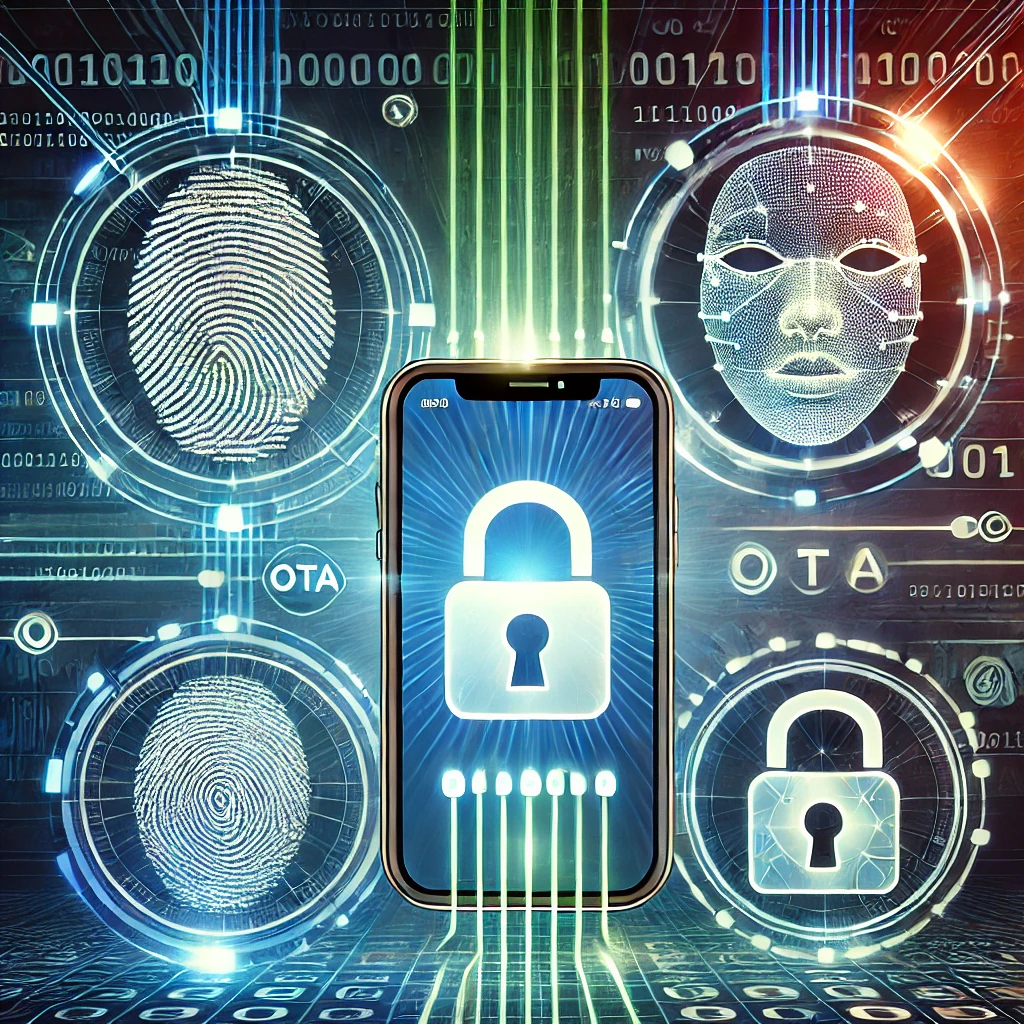
Still, even the strongest passwords can be compromised without extra layers of security. Multi-Factor Authentication (MFA) strengthens your security protocol. It requires two or more verification ways to gain access to your accounts. This typically involves something you know, like your password. It also involves something you have, like a smartphone or a hardware token. Additionally, it includes something you are, like biometric data like fingerprints or facial recognition.
It’s essential to regularly update your passwords and never reuse them across different sites. Experts recommend changing your passwords every three months. If a hacker accesses one account, unique passwords guarantee they can’t access others. Some people prefer not to use a password manager. They can use a passphrase, which combines multiple words into a long string of characters. This method can be a secure choice.
Educating yourself about phishing attacks is crucial. Common signs of phishing include unsolicited requests for sensitive information. Look for misspellings in emails or URLs. Phishing emails often create a sense of urgency to provoke immediate action. Understanding how to recognize these attacks is critical to protecting your credentials.
In conclusion, you can protect yourself against most cyber threats by embracing complex passwords and using a password manager. Enable MFA and regularly update your passwords. Stay informed about phishing tactics. If you’re ready to take your password security to the next level, consider reaching out for a personalized security assessment.
Equally important is using different passwords for different accounts. For instance, if a hacker discovers your social media password, having a unique email password will stop them. This will prevent the hacker from accessing your email. This email often stores sensitive personal and financial information.
At CyberWiz, we are dedicated to helping you secure your digital world. Contact us today, and let’s make sure your digital doors are well-locked against intruders.